Unwind With a Hot Spring Getaway to Nikko

Just two hours by train from Tokyo, Nikko is home to numerous hot springs (onsen) that offer a rejuvenating escape into nature, history, and culture. Whether you're soaking outdoors beside a river or enjoying local cuisine after a relaxing bath, Nikko is an ideal destination for a complete onsen experience.
nikko

Bathing in nature: rotenburo and riversides

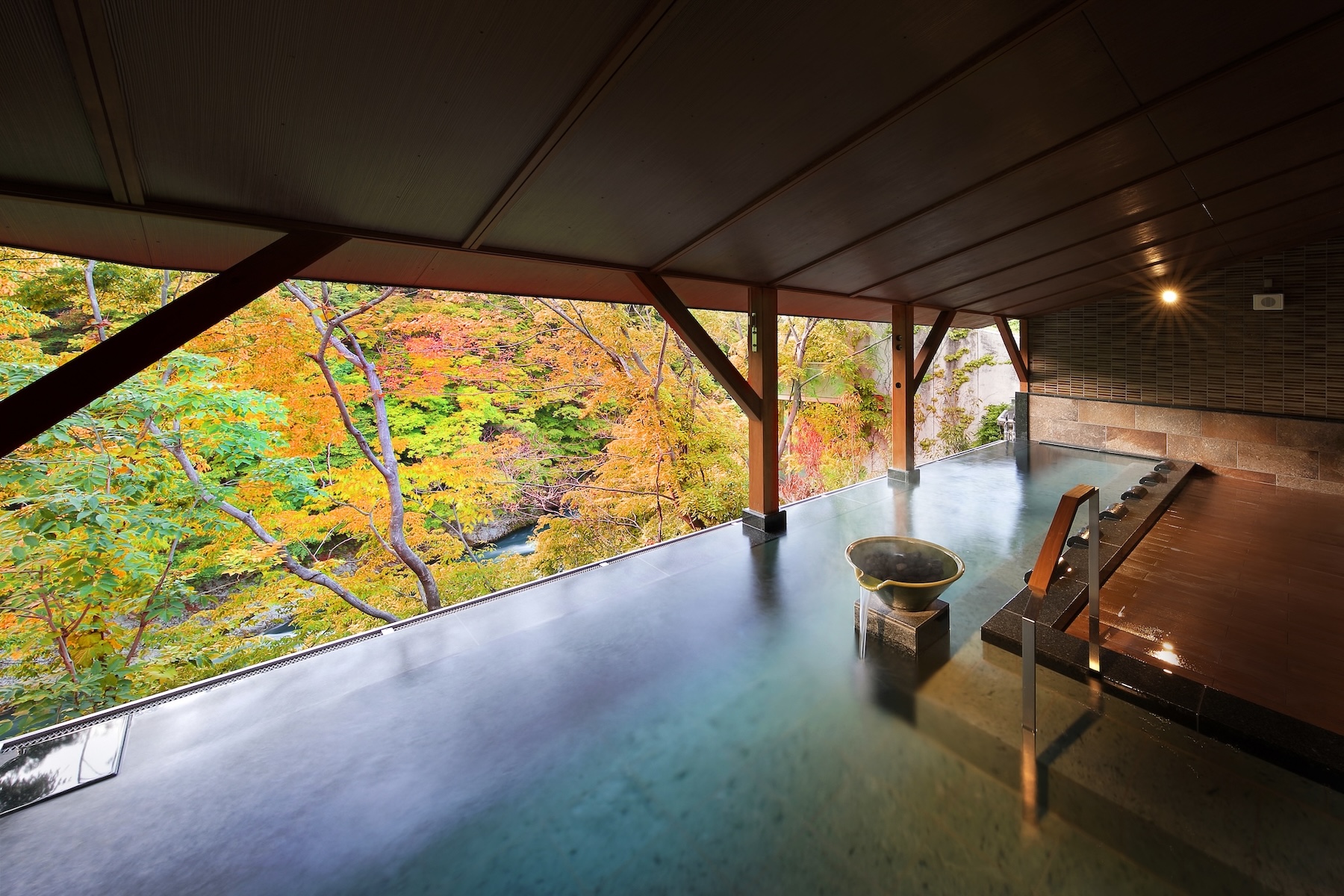
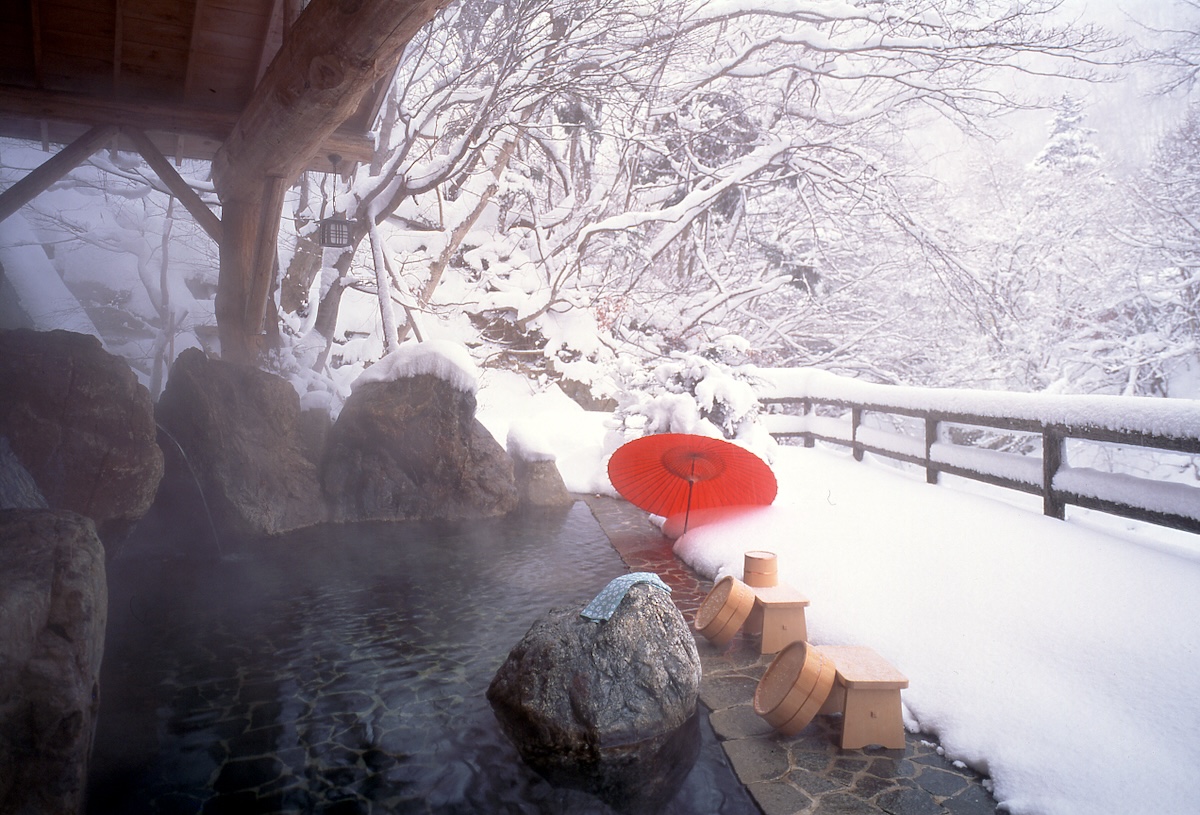
Nikko’s mountains and forests make it one of the best places for scenic outdoor soaks. Okunikko Yumoto Onsen, located on the edge of Lake Yunoko and within Nikko National Park, is a small hot spring town with a 1,200-year history. Many of its inns and outdoor baths, known as rotenburo, have spectacular views and offer convenient access to the splendid Senjogahara Plateau.

In the west of Nikko City, Kinugawa Onsen is a celebrated hot spring retreat that was discovered in the Edo period (1603–1867) and historically open only to the upper crust of society, such as monks and high-ranking samurai. Today, this hot spring resort along the Kinugawa River is open to all, with ryokan and hotels lining the riverbanks. Visitors can enjoy rotenburo while taking in the soothing sights and sounds of the Kinugawa River.
nikko

Mineral magic and rejuvenating soaks

The hot springs of Nikko have different mineral compositions with specific wellness benefits. Baths on the south end of Nikko National Park, such as those at the luxury hotel Ritz-Carlton Nikko, source hot spring water from the historic Nikko Yumoto Onsen. The slightly acidic, sulfur-rich, emerald-green waters turn milky white when exposed to air and are said to leave skin soft and smooth.

At Yunishigawa Onsen, tucked away in the valleys in the north of Nikko National Park, the baths contain slightly alkaline water. The waters are said to have been discovered by an ancient warrior who bathed in them to heal his wounds. These clear, odorless waters are traditionally associated with easing fatigue, soothing muscles, and promoting overall wellness.

nikko

Inclusive wellness

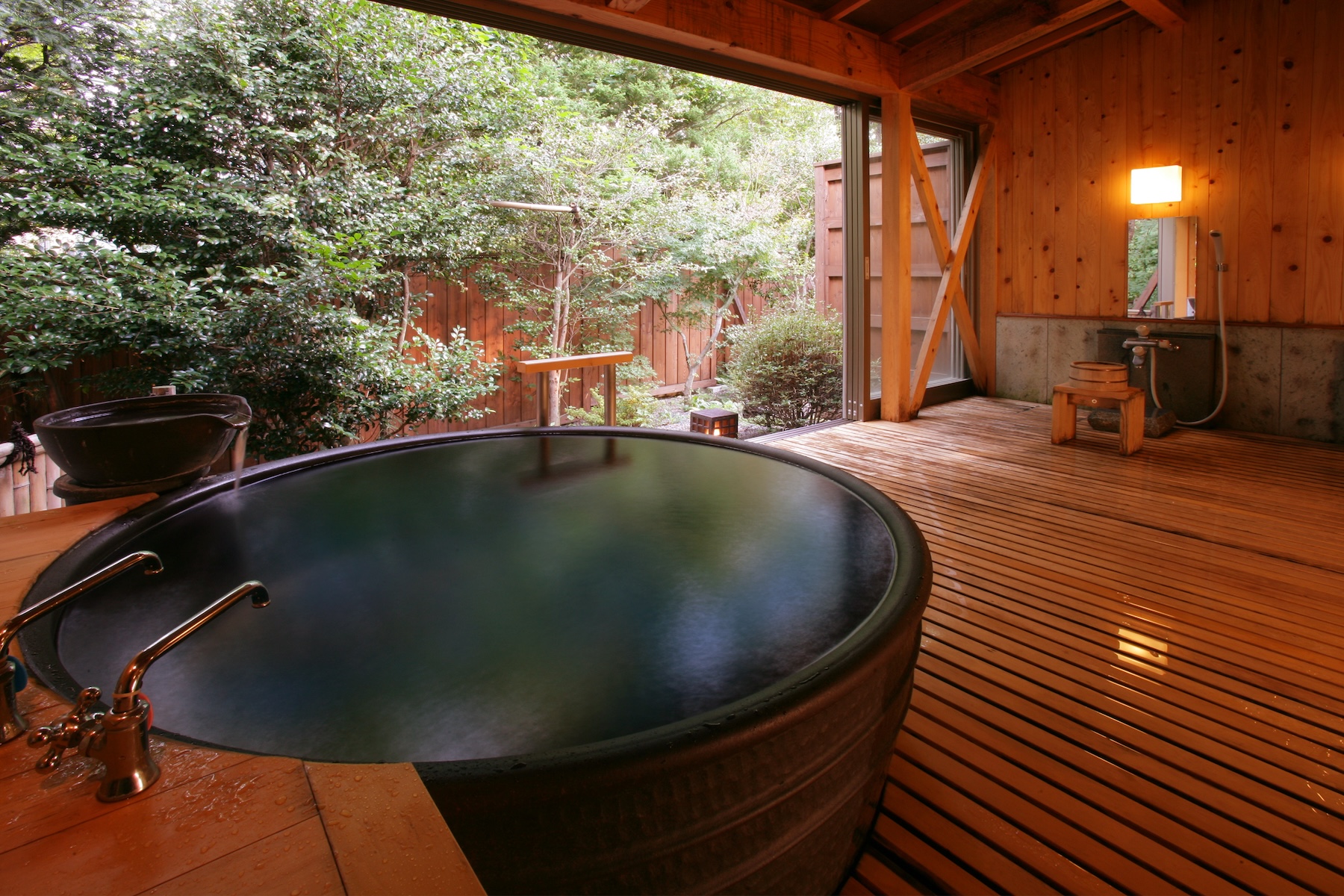
Japanese hot spring baths are often a shared space and therefore come with many rules that can seem esoteric. However, modern facilities in Nikko are increasingly inclusive. Travelers with tattoos can find welcoming facilities that do not require tattoos to be covered, and some places offer special clothing to be worn in the baths for visitors who are uncomfortable with nudity. Many traditional ryokan also offer private onsen, called kashikiri buro, ideal for guests who prefer solitude or want extra privacy.

Whichever you choose, remember that etiquette matters. Wash yourself thoroughly before entering the onsen waters, never bring towels into the bath, refrain from washing in the baths, and enjoy the baths quietly.

nikko

Beyond the bath

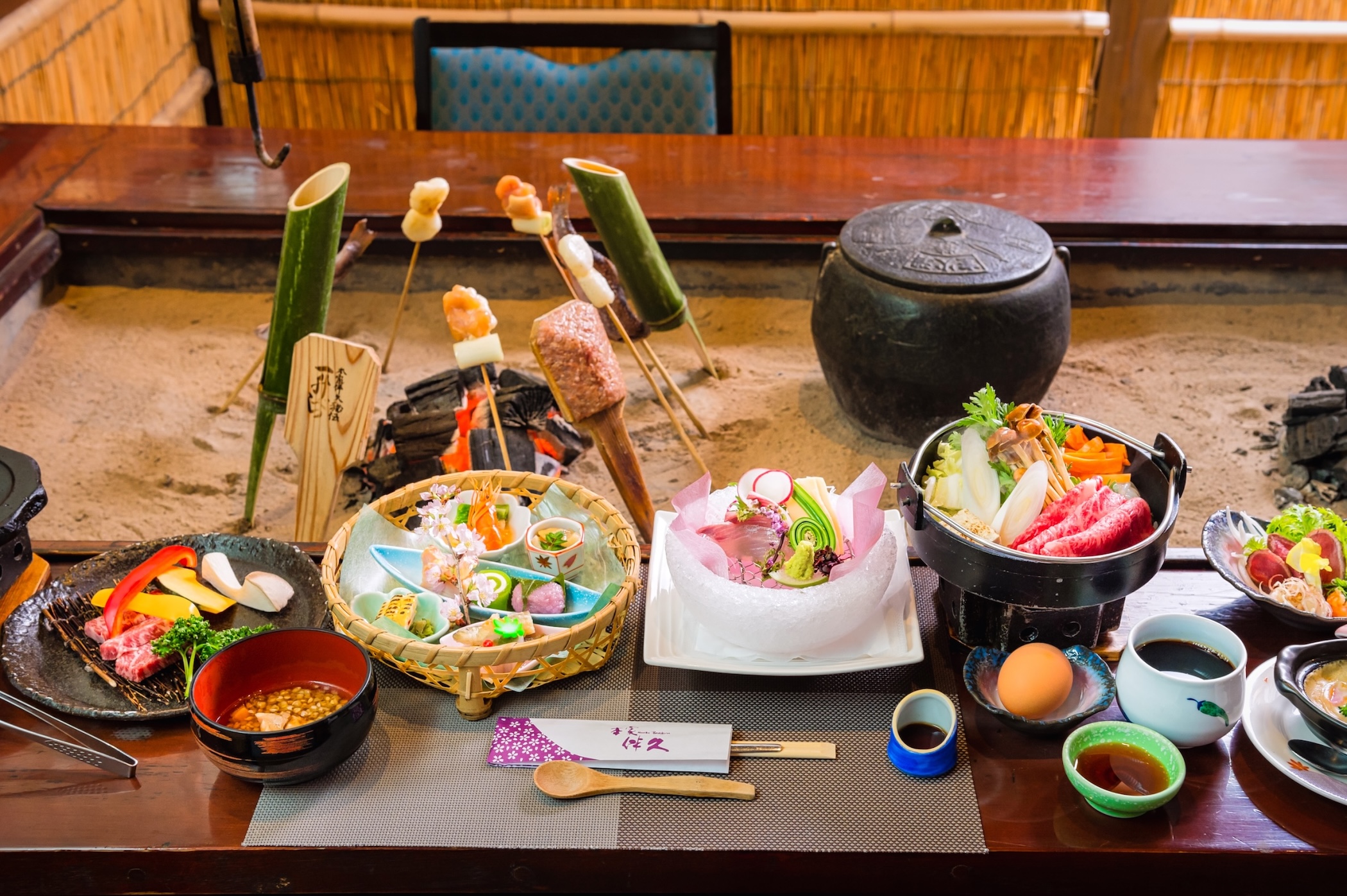
While day trips are doable and popular, staying overnight in Nikko, especially at a ryokan, enhances the experience. Guests are often treated to seasonal kaiseki dinners, traditional yukata robes, and restful nights in tatami rooms. Between soaks, you can enjoy local specialties like yuba dishes, Tochigi sake, and shaved ice made with Nikko’s natural ice. Many inns incorporate these into their menus for a well-rounded taste of the region.

Areas of Nikko